Cloud computing is the Internet-based distribution of computer resources and provides cost reductions, portability, superior efficiency, scale economies, and other benefits. Cloud migration is intimately tied to data and IT transformation for many businesses.
Cloud computing is the Internet-based distribution of computing resources that delivers cost efficiency, flexibility, scalability, and innovation. It enables organizations to access storage, processing power, databases, networking, analytics, AI tools, and software applications on demand without managing physical servers.
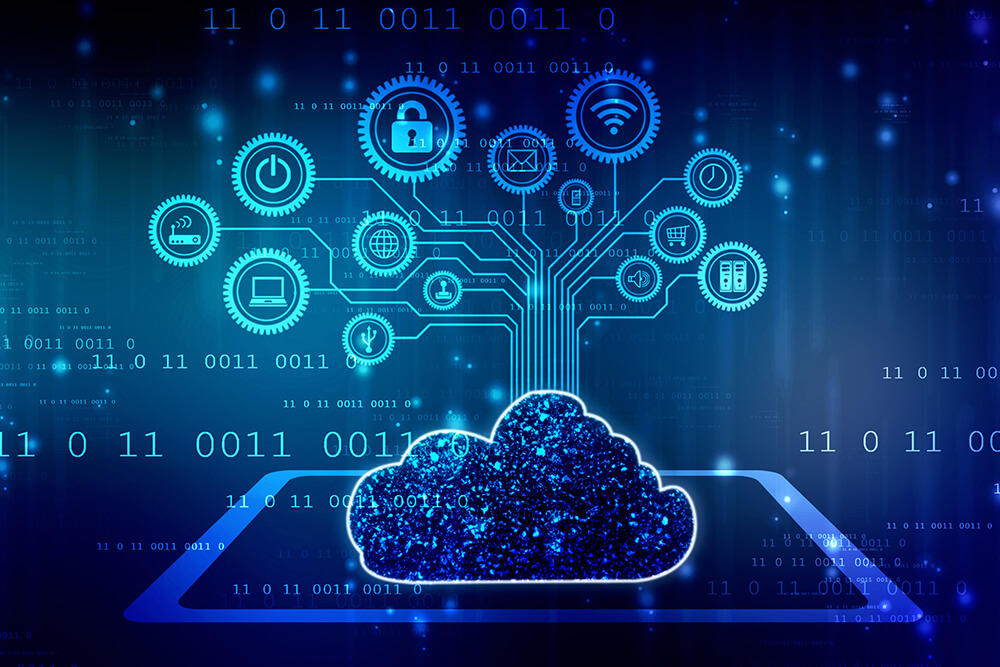
By leveraging third-party providers, businesses can scale operations, improve performance, and reduce infrastructure costs—all while accelerating digital transformation and data modernization initiatives.
In today’s environment, cloud computing powers AI systems, remote collaboration tools, cybersecurity solutions, and advanced data analytics, becoming the foundation of digital transformation.
Cloud services are typically deployed in three main models, though many organizations now use multi-cloud strategies to maximize performance and cost-efficiency.
A public cloud uses shared infrastructure provided by third-party vendors such as Amazon Web Services (AWS), Microsoft Azure, or Google Cloud Platform (GCP). These providers manage and maintain all hardware, software, and networking resources, allowing businesses to pay only for what they use.
In 2025, public clouds are increasingly AI-optimized, integrating machine learning (ML) capabilities, serverless functions, and real-time analytics for businesses of all sizes.
A private cloud offers dedicated computing resources for a single organization. It can be hosted on-premises or managed by a third-party provider.
Private clouds provide enhanced security, compliance, and data sovereignty, which is critical for industries like healthcare, finance, and government. They also support modern technologies such as containerization and edge computing for improved control and efficiency.
A hybrid cloud combines both public and private clouds, allowing seamless data and application movement between them.
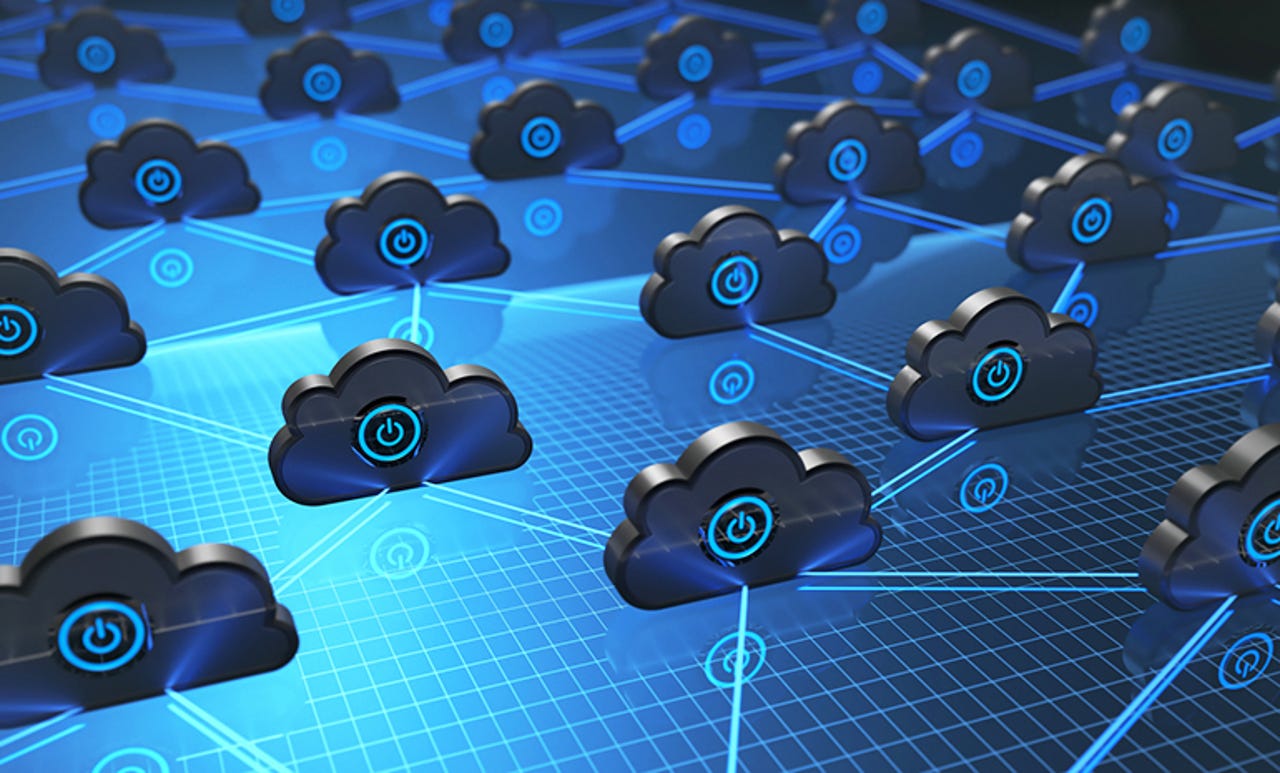
This setup is ideal for enterprises balancing security needs with scalability. Leading solutions—such as IBM Hybrid Cloud and Microsoft Azure Arc—enable unified management and automation across environments.
As AI and automation continue to evolve, hybrid cloud architectures have become essential for integrating AI workloads, IoT devices, and real-time business insights.
Cloud computing continues to evolve, providing significant advantages to businesses across industries.
Key benefits include:
In 2025, cloud computing also plays a vital role in sustainability, with major providers investing in green data centers and carbon-neutral operations.
The future of cloud computing is driven by AI, edge computing, quantum technology, and cybersecurity advancements.
According to recent forecasts, the global cloud market is expected to surpass $1.3 trillion by 2030, with hybrid and multi-cloud environments becoming the standard for most enterprises.
Cloud is no longer just a hosting platform—it’s the core of digital innovation. Organizations are using cloud-based services to build AI-driven applications, predictive analytics platforms, and serverless solutions that improve efficiency and resilience.
In the post-pandemic digital era, cloud computing has become the backbone of business transformation. Organizations continue to adopt cloud solutions to enhance efficiency, resilience, and security.
As AI integration, data automation, and sustainability goals shape the next wave of innovation, cloud computing will remain at the center of every enterprise’s digital strategy.


IT Solutions and Managed Services Provider specializing in developing custom solutions.
 +1 (781) 667-5321
 info@techmatter.co
 100 N Brand Blvd Suite 522, Glendale, CA 91203, USA