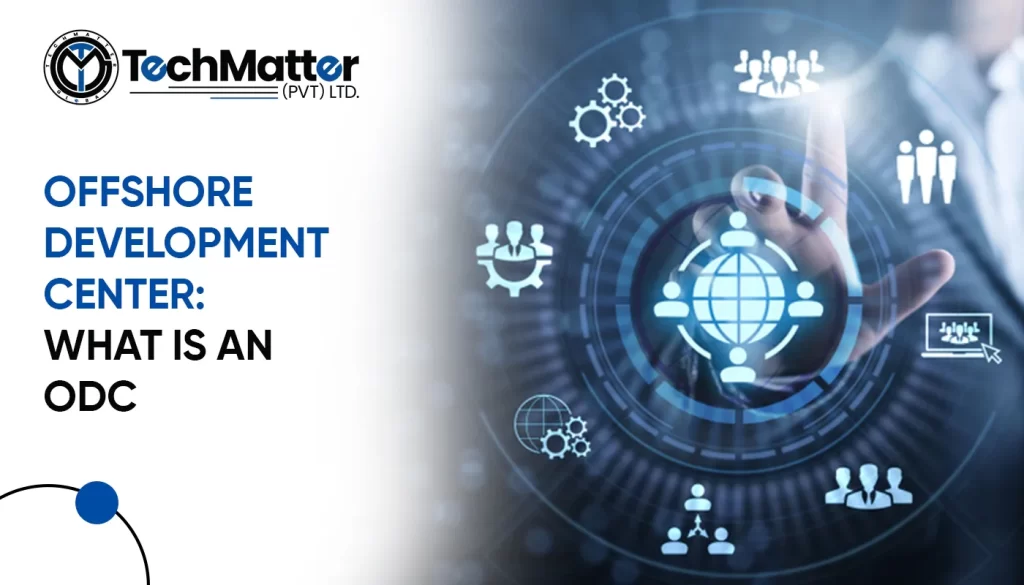
One popular concept that has emerged to facilitate efficient teamwork is the ODC (Offshore Development Center). Its devoted staff of qualified specialists is located other than the parent company. Their capacity to bridge resources, knowledge, and cost-effectiveness has made them appealing.
Let’s discuss the meaning of ODC and its importance in different industries.
Imagine a world where you can have access to the best software developers from all over the globe without having to worry about the high costs of hiring and retaining them in-house. This is the promise of Offshore Development Centers (ODCs).
ODCs are dedicated teams of software developers, designers, testers, and project managers who are located in a different country from their clients. They are typically established in countries with a cost advantage, such as India, Eastern Europe, or Southeast Asia.
They are designed to be an extension of the client’s in-house team. They work closely with the client to understand their needs and deliver high-quality software solutions. ODCs typically use a variety of communication and collaboration tools, such as video conferencing, project management software, and instant messaging, to stay connected with their clients.
There are many benefits to working with an ODC.
If you are looking for a way to reduce costs, improve quality, and accelerate time to market, then consider working with an ODC.
Businesses must evaluate their specific needs and assess the potential benefits before setting them up. However, in most cases, the advantages of accessing global talent, cost efficiencies, scalability, and enhanced focus on core competencies make them an attractive choice for businesses seeking to optimize their operations and expand their capabilities.
Setting up and running it requires careful planning and implementation. Here are some best practices to consider:
Clearly outline your organization’s goals and objectives while choosing it. Align these objectives with your overall business strategy to ensure a focused and purposeful setup.
Selecting the right vendor is the most crucial. Evaluate their expertise, experience, cultural fit, and communication abilities. Conduct thorough due diligence and engage in a transparent and collaborative partnership.
Establish clear lines of communication between the parent organization and the ODC. Use communication tools like video conferencing, project management software, and instant messaging platforms to ensure seamless and timely communication.
Foster a collaborative and harmonious relationship between the parent organization and the Offshore Development Center teams. Encourage frequent interaction, knowledge sharing, and cultural exchange to build trust and enhance collaboration.
Implement a system to evaluate the performance regularly. Set key performance indicators (KPIs) to measure their productivity, quality of work, and adherence to project milestones. Provide feedback, recognition, and rewards to motivate the team.
Implement robust security measures to protect sensitive data and intellectual property. Clearly define data handling protocols, implement secure infrastructure, and strictly comply with data protection regulations.
Encourage a culture of continuous improvement by promoting knowledge sharing, learning, and skills development. Regularly review and refine processes, leveraging feedback from the parent organization and the ODC.
No, they are not the same. It is a dedicated development center established by a company in a different country, while outsourcing involves hiring a third-party company to perform specific tasks or projects. The following are a few of the key differences between the two:
While it offers valuable benefits, there can be challenges in effectively managing them. Here are some common challenges:
Effective communication can be a challenge when dealing with language barriers, different time zones, and cultural differences. Miscommunication can lead to misunderstandings and delays if not adequately addressed.
Building a sense of unity and fellowship between the parent organizations and teams can be challenging. Bridging the cultural and geographical gap requires effort and proactive measures to foster teamwork and friendship.
They often operate in different work cultures and may have varying work styles, practices, and expectations. Understanding and managing these cultural differences is crucial for smooth collaboration and effective performance.
Managing projects across different locations and time zones requires practical project and task management. Establishing transparent processes, setting realistic timelines, and leveraging efficient project management tools are essential.
Maintaining consistent quality across geographically dispersed teams can be challenging. Establishing standardized processes, implementing quality control measures, and providing clear guidelines and expectations are vital for consistent performance.
Attrition rates and staff retention can increase in ODCs due to cultural differences, professional opportunities, and market dynamics. Regularly assessing employee satisfaction, providing growth opportunities, and recognizing achievements can increase employee retention.
While operating in different countries, they may face legal and regulatory challenges. Awareness of local labor laws, tax regulations, and intellectual property rights is crucial to ensure compliance and mitigate legal risks.
End Note
While managing an ODC presents challenges, such as communication barriers and cultural differences, these can be overcome with effective practices and proactive management. By embracing their potential and navigating the challenges with finesse, organizations can unlock new opportunities and propel themselves toward success in the modern business landscape.


IT Solutions and Managed Services Provider specializing in developing custom solutions.
 +1 (781) 667-5321
 info@techmatter.co
 100 N Brand Blvd Suite 522, Glendale, CA 91203, USA